

Training and courses offer a long-term opportunity to make your operational processes as efficient and effective as possible. With specialized knowledge of coolant supply and grinding technology, you can analyze your processes more closely, adapt them to changing conditions, and take steps to effectively prevent issues such as thermal damage to components (grinding burn). As a result, you can drastically reduce the scrap rate or grinding burn-related complaints in your operation.
Your Benefits
- Greater confidence in managing systems and processes
- Identifying and resolving manufacturing issues
- Recognizing grinding burn and knowing how to prevent it long-term
- Gaining a better understanding of coolant supply and optimizing it within the process
- Clarifying questions directly with experts
Example Agenda
In our in-house training sessions, we provide you and your employees with information on all relevant topics related to grinding, covering the fundamentals with just as much enthusiasm as we do topics related to coolant. Below is a sample agenda for one of our in-house training sessions.
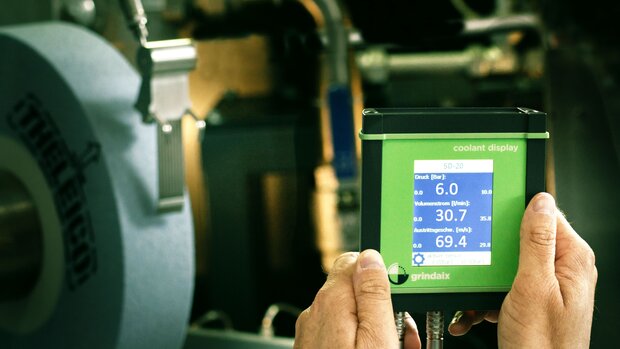
1. Basics of Grinding Technology
This section explains the fundamental factors influencing the grinding process. These include input variables such as material, tool, and process conditions, as well as the operating principle of grinding as a machining process. It also discusses energy distribution and heat generation at the cutting edge and their effects. Finally, the most important grinding parameters and their impact on quality, wear, and process stability are presented.
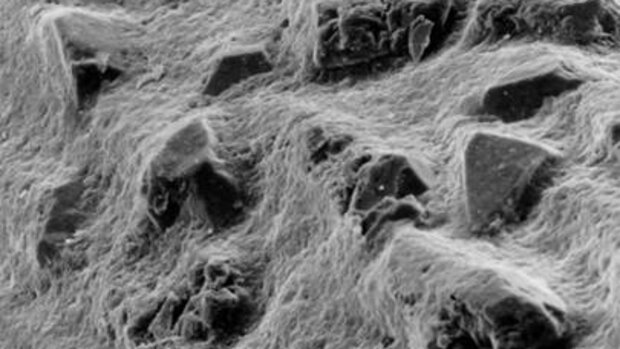
2. Basics of Grinding Tools
This section covers the construction and properties of grinding tools. First, the components of a grinding wheel—such as the abrasive grain, bonding agent, and pore structure—are explained. This is followed by a comparison of different abrasive materials and their applications based on the hardness of the grinding wheel. Finally, the types of wear that occur in grinding tools, as well as their causes and effects on the grinding process, are discussed.

3. Basics of Dressing/Conditioning
The section “Basics of Dressing” explains the importance of the dressing process. It begins by explaining why dressing is necessary and then discusses the functions of dressing, such as profiling, sharpening, and cleaning the grinding wheel. Finally, it introduces the most important control variables in dressing.
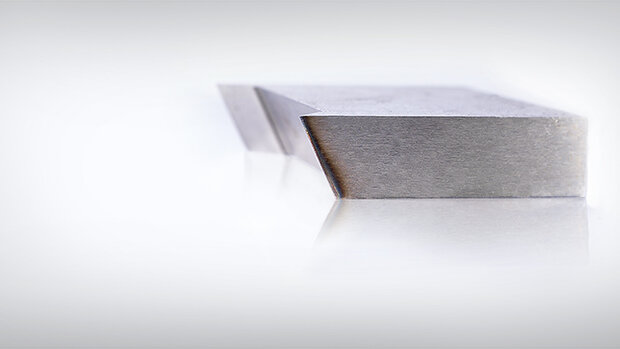
4. Grinding burn
This section explains what grinding burn is and how it occurs. It describes the potential effects of grinding burn on microstructure, component strength, and component function. It then presents common testing methods for detecting grinding burn—including both non-destructive and destructive techniques—and provides a checklist for preventing grinding burn.
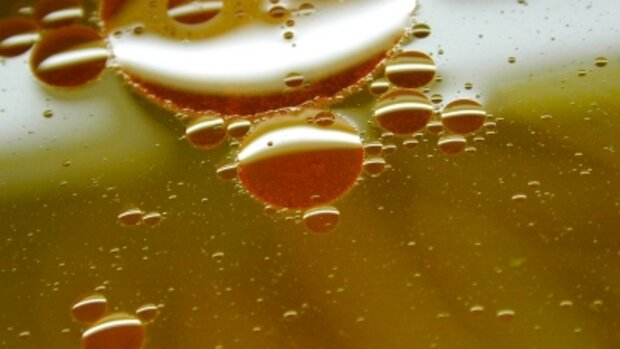
5. Cooling lubricants
The basic tasks of cutting fluids in the machining process are conveyed. The interaction of cooling and lubrication is discussed, as well as the types of cutting fluids that exist. Finally, the respective advantages and disadvantages of the different cutting fluid types are considered in order to provide a basic understanding of their targeted and process-appropriate use.
6. Filtration technology
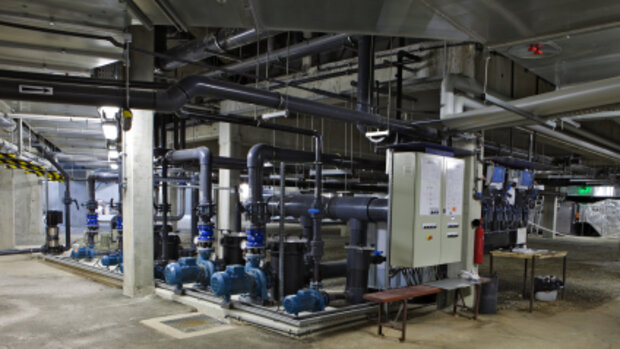
The section "Filtration Technology" explains how suitable filtration systems are selected and which parameters are used to assess the cleanliness of the coolant. In addition, the common filtration methods and system types are presented to provide a basic understanding of their impact on process safety, tool life, and coolant quality.
7. Coolant lubricant supply
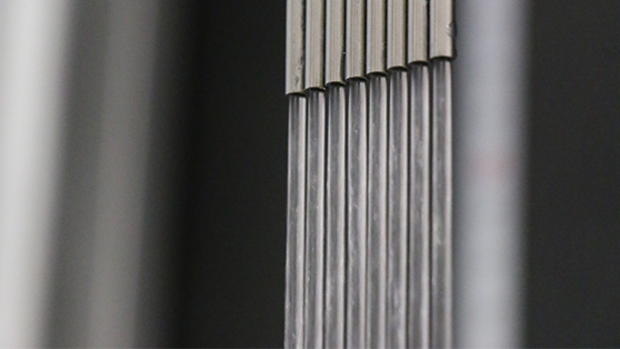
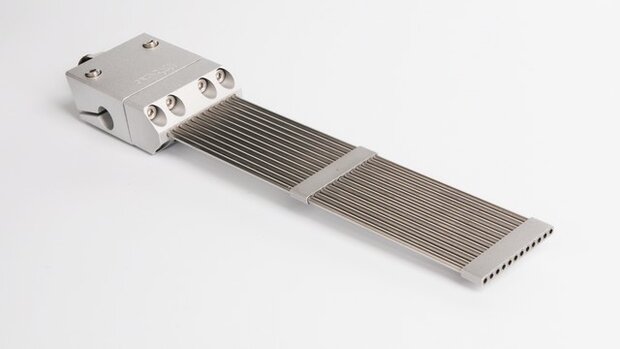
Here, the relevant process parameters as well as possible disturbances in the supply of coolant are considered. In addition, different methods of coolant supply are presented and evaluated in terms of their effectiveness. Another focus is on the coolant nozzle technology and its influence on process stability. Finally, in the excursus, the so-called air cushion at the grinding wheel is explained and its significance for coolant supply is described.
8. Application examples of coolant nozzle optimization
After the basic information on the topics of grinding technology, dressing, coolant or filtration, application examples for KKS nozzle optimization follow. Here, the focus is on detailed solutions and experience values and the advantages they offer.